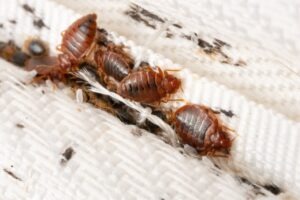
Neither option is universally "better" — heat treatment kills bed bugs at every life stage, including eggs, in a single visit, while chemical spray is usually more affordable and less disruptive, but often needs a follow-up visit to catch eggs the first treatment missed. The right choice depends on your timeline, budget, and how widespread the infestation is.
The short answer
If you need the fastest possible single-visit result and can vacate the space for the day, heat treatment is usually the stronger option. If you're working with a tighter budget, can tolerate a follow-up visit or two, and don't need to be out of the home for an extended stretch, chemical spray treatment is often the more practical starting point. Many infestations are actually treated with a combination of both.
How heat treatment works
A heat treatment raises the temperature of the entire room or unit to a level bed bugs cannot survive, and holds it there long enough for the heat to penetrate mattresses, furniture, and wall voids — not just the surfaces you can see. Because the mechanism is physical rather than chemical, there's no resistance for bed bugs to develop, and because the heat penetrates hiding spots, it typically kills eggs along with adults and nymphs in the same visit.
How chemical spray treatment works
A chemical treatment applies a PMRA-registered insecticide directly to cracks, seams, baseboards, and other harborage points where bed bugs hide and travel. It's generally faster to set up, less equipment-intensive, and more affordable per visit than heat — but because some products don't reliably kill eggs, a second visit 10–14 days later is common to catch anything that hatched after the first treatment. If you have kids or pets in the home, it's worth reading how we handle product safety and re-entry times before choosing a chemical approach.
| Heat Treatment | Chemical Spray | |
|---|---|---|
| Kills eggs in one visit | Typically yes | Depends on product |
| Number of visits | Often one | Often two or more |
| Time out of the home | Full treatment day | Re-entry interval only |
| Prep required | Remove heat-sensitive items | Clear/launder bedding, vacuum |
| Resistance risk | None — it's physical, not chemical | Varies by product/population |
Which should you choose?
A few situations tend to point one direction or the other:
- Renters on a deadline, or a single heavily infested room: heat treatment's single-visit result is often worth the extra cost.
- Budget-conscious, or you can tolerate a follow-up visit: chemical treatment is usually the more affordable starting point.
- Widespread infestation across multiple rooms or units: a combined approach — heat for problem areas, chemical for ongoing prevention — is common.
What Shaw Pest Control recommends
We inspect first and recommend based on what we actually find — how widespread the infestation is, the layout of the space, and what you're working with for a timeline. That's also the honest answer to "which is better": the one that matches your specific infestation, not a blanket rule that ignores it.
FAQ
Yes — that's heat treatment's main advantage. When the target temperature is reached and held throughout the treated space, it kills bed bugs at every life stage, including eggs, in a single visit. Chemical sprays vary by product, and some don't reliably kill eggs, which is why follow-up visits are common with a spray-only approach.
Yes, when the right product is applied correctly and thoroughly to cracks, seams, and hiding spots, usually paired with a follow-up visit. Effectiveness varies by the specific bed bug population and product, which is part of why a technician may rotate or combine products rather than relying on a single spray.
Usually yes for heat treatment, since the space is brought to a temperature that isn't comfortable or safe to occupy during the process. Chemical treatment typically requires staying out only for the product's stated re-entry interval. Your technician will confirm the exact timing for your situation.
Heat-sensitive items — electronics, candles, some plastics, aerosol cans, vinyl records, and similar — can be affected by the temperatures used and should be removed or relocated before treatment. Your technician will walk through what needs to move before the appointment.
Dealing With Bed Bugs in Milton or Brampton?
We'll inspect first and recommend the treatment that actually fits your situation — not a one-size-fits-all answer.
See Our Bed Bug Removal Service